Analyzing Response Dynamics and Accumulation Chains in Wireless Reel Applications
Jakob Butler · Sep 29, 2026
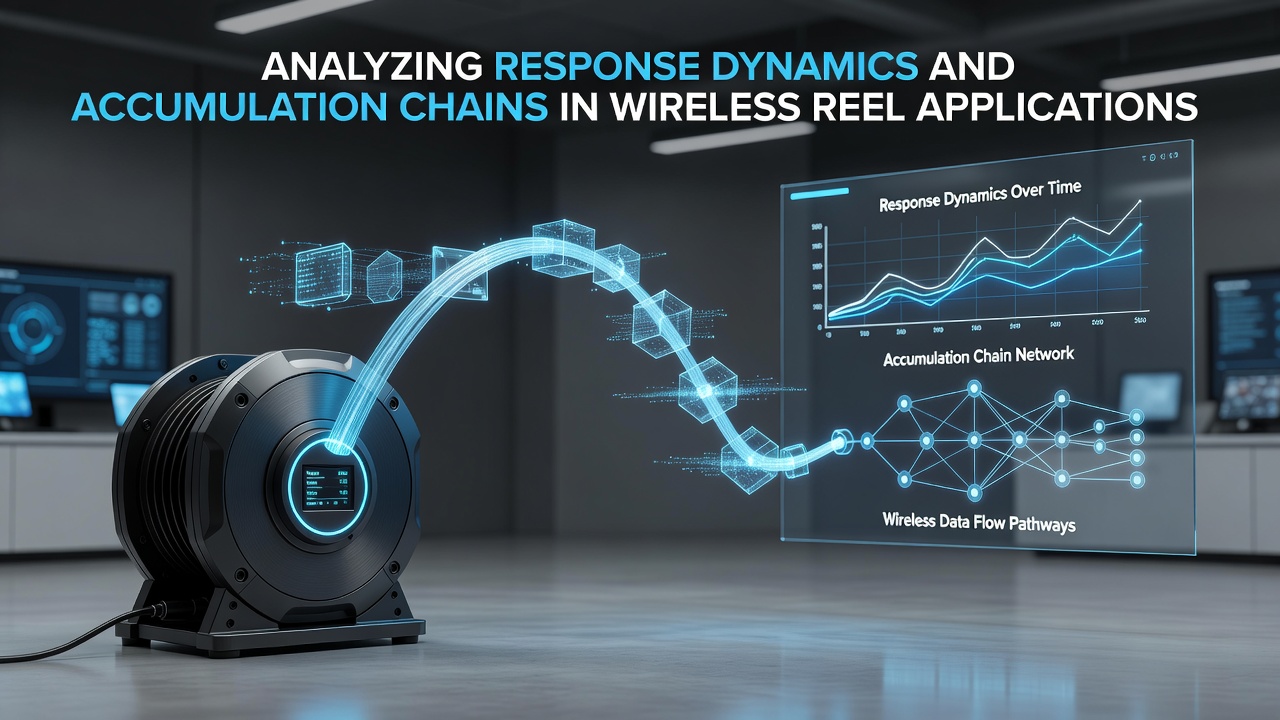
Analyzing Response Dynamics and Accumulation Chains in Wireless Reel Applications
Wireless reel applications operate through intricate networks where server queries meet device processing speeds, and these interactions shape how players experience spins and reward sequences. Data from mobile gaming platforms indicates that response times often range between 80 and 250 milliseconds depending on network conditions, device hardware, and backend load balancing systems. Observers note that delays in these response cycles can interrupt the flow of reel animations while also affecting the timing of bonus triggers and progressive meter updates.
Core Elements of Response Dynamics
Response dynamics refer to the measurable intervals between user input on a wireless device and the corresponding output from remote servers that govern reel outcomes. Engineers track metrics such as round-trip latency, packet loss rates, and API call durations to identify bottlenecks in the system. Studies conducted by research teams at institutions focused on telecommunications reveal that 5G connections reduce average latency by 40 percent compared with 4G networks in controlled testing environments. Those measurements become critical when accumulation sequences rely on continuous data streams that update player balances and multiplier values in real time.
Device-level factors also contribute because operating system version, available RAM, and graphics rendering capabilities influence how quickly the application displays results after receiving server confirmation. Analysts tracking user sessions across multiple regions report that older smartphones exhibit higher variance in frame delivery rates even when network conditions remain stable.
Mechanics Behind Accumulation Chains
Accumulation chains describe the sequential layering of rewards, multipliers, and bonus features that build upon one another during extended play sessions in reel-based games. Each successful spin can feed into a secondary meter or trigger an additional reel modifier, creating a chain reaction that continues until a terminating condition occurs. Figures released by industry monitoring groups show that games employing multi-stage accumulation systems generate higher average session durations because players remain engaged while meters climb toward threshold levels.
Wireless environments introduce specific variables because intermittent connectivity can pause chain progression or cause desynchronization between the client display and server records. Developers implement reconciliation protocols that verify accumulated values upon reconnection, ensuring that any interrupted sequence resumes without data loss. Research published in peer-reviewed journals on distributed systems highlights the importance of timestamp synchronization across cloud instances to prevent duplicate or missed reward allocations.
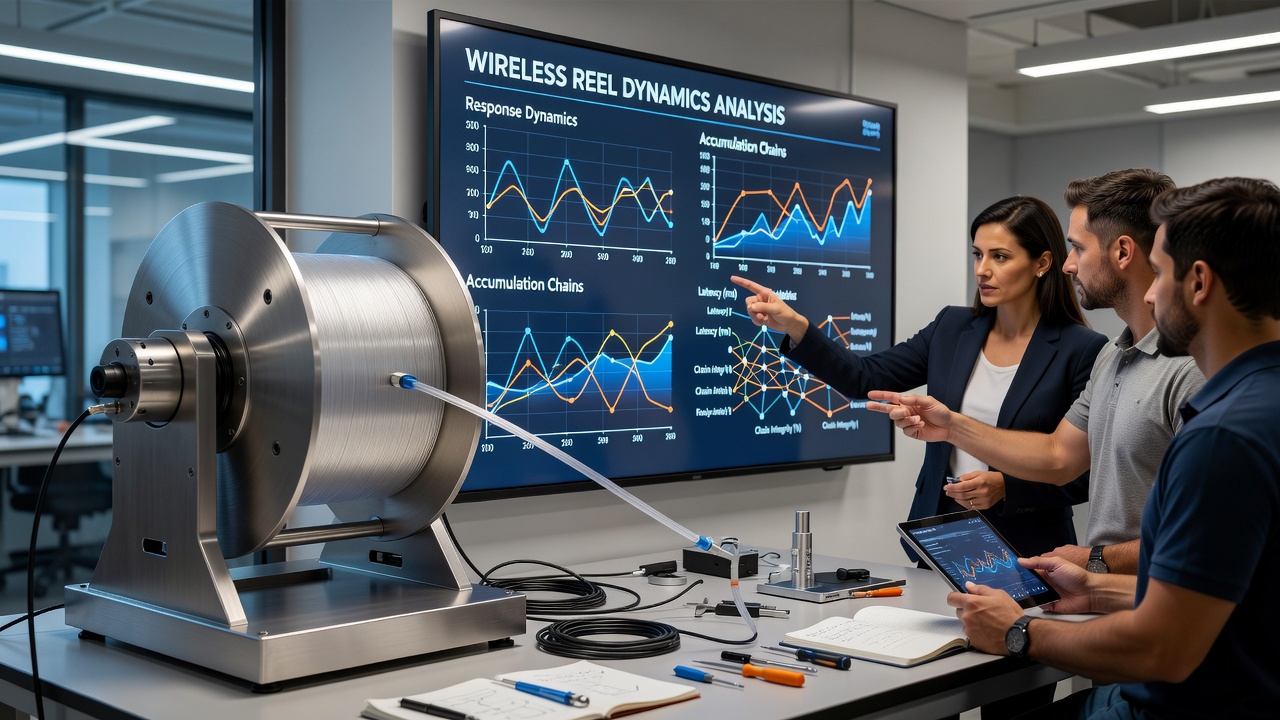
Integration of Network Conditions and Chain Progression
Network variability directly influences both response speed and the reliability of accumulation sequences because each link in the chain often requires fresh server validation. When signal strength drops, applications may buffer pending requests or switch to cached reel results while awaiting confirmation. Data collected from Canadian provincial gaming authorities demonstrates that regions with widespread 5G coverage experience fewer chain interruptions than areas still dependent on legacy infrastructure.
Load balancing algorithms distribute incoming requests across multiple server clusters to maintain consistent response times during peak usage hours. Observers tracking these patterns note that accumulation features involving progressive jackpots demand the highest priority queuing because any delay in meter updates can affect player perception of fairness. European regulatory bodies have issued technical guidelines requiring operators to log and report latency statistics for games that incorporate chained bonus mechanics.
Measurement Techniques and Analytical Approaches
Specialized monitoring tools capture timestamped events at multiple points in the data path, from the moment a spin request leaves the device until the final reel state renders on screen. These logs allow analysts to calculate mean, median, and percentile response values across thousands of sessions. Academic papers examining mobile application performance describe methods that correlate packet arrival times with on-screen animation frames to isolate whether delays originate in transmission or rendering stages.
Accumulation chain analysis requires additional layers of tracking because each successive reward depends on the successful completion of the previous step. Software frameworks now embed event listeners that record the exact moment a multiplier applies or a bonus reel activates, creating an audit trail that supports both optimization and compliance verification. Reports from Australian research consortia emphasize the value of combining these event streams with geographic network data to identify regional performance differences.
Conclusion
Response dynamics and accumulation chains together determine the operational behavior of wireless reel applications through interconnected technical layers that span devices, networks, and server infrastructure. Continued refinement of measurement protocols and synchronization methods supports consistent delivery of chained features regardless of connection quality. Industry participants rely on data-driven insights from regulatory reports and academic studies to maintain system integrity while meeting performance expectations across diverse wireless environments.