Decoding transaction approval sequences that align with layered reward builds in handheld live table formats
Jonas Schwarz · Oct 13, 2026
Decoding transaction approval sequences that align with layered reward builds in handheld live table formats
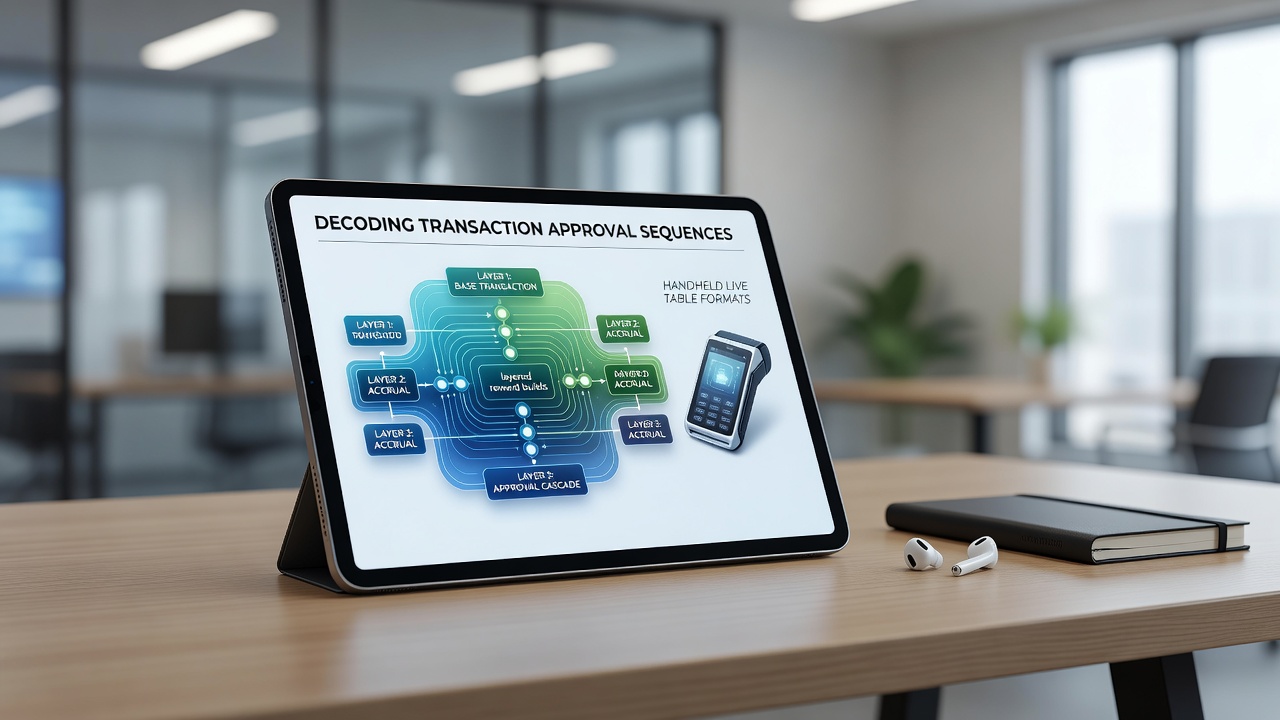
Transaction approval sequences in handheld live table formats follow structured pathways where initial verification steps connect directly to subsequent reward activations, and operators design these sequences so that deposit confirmations trigger layered incentives during active dealer sessions. Data from industry tracking shows that approval timelines average between 3 and 12 seconds on most mobile platforms when network conditions remain stable, while delays often stem from multi-factor authentication checks or regional banking protocols.
Core components of approval sequences
Each sequence begins with account authentication that links user credentials to device identifiers, then proceeds through payment gateway routing where funds clear against available balances, and finally reaches confirmation that unlocks immediate access to live table environments. Observers note that many platforms integrate these steps into a single encrypted channel, which reduces separate handoffs and keeps reward eligibility windows open for the duration of a session.
Layered reward builds operate on top of these approvals by stacking base offers such as deposit matches with conditional multipliers that activate only after specific table game thresholds are met, and researchers have documented cases where reward tiers progress from initial cashback percentages to escalating free-play credits across consecutive rounds. In October 2026 several operators updated their backend systems to synchronize these layers more precisely with live dealer round completions, allowing players to see pending rewards update in real time on handheld screens.
Alignment between approvals and reward layers
Alignment occurs when transaction confirmations feed directly into reward engines that calculate eligibility based on game type, stake level, and session duration, so that a completed deposit not only credits the account but also registers the player for the next available promotion tier without additional manual input. Studies from gaming technology firms indicate that platforms achieving sub-five-second approval averages report higher retention rates during live table play, because uninterrupted sequences prevent players from exiting mid-session to check balances elsewhere.
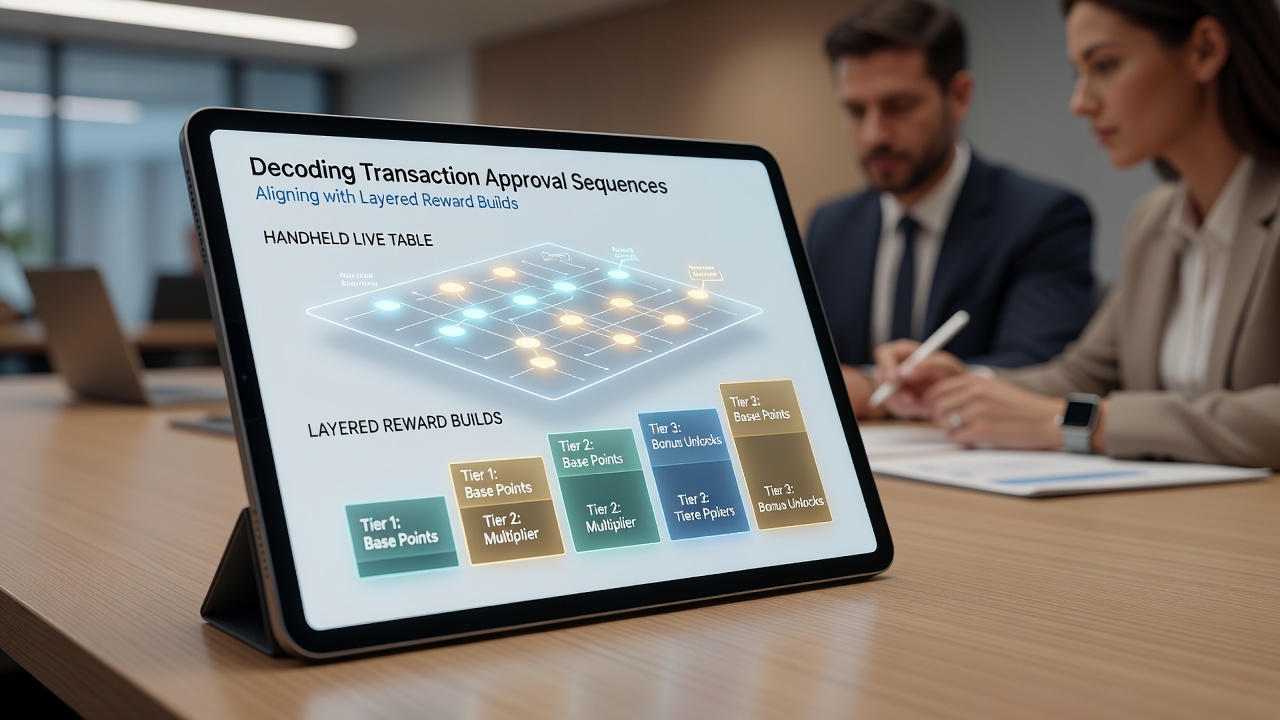
Handheld formats introduce additional variables because screen size and touch latency affect how quickly users can navigate between transaction summaries and live tables, yet optimized interfaces compensate by displaying approval status alongside active dealer feeds. Those who monitor these systems report that seamless alignment reduces friction points where players might otherwise abandon a session before layered rewards fully accumulate.
Regional regulatory influences on sequence design
Regulatory frameworks shape sequence design in distinct ways across markets, and data compiled by the American Gaming Association illustrates how U.S. state-level rules require explicit player consent before reward layers activate following any deposit approval. In contrast, Australian regulatory updates emphasize transparent disclosure of approval timelines within mobile applications, which has prompted developers to surface step-by-step status indicators directly within live table windows.
European operators often incorporate mandatory cooling periods between reward layers even when transaction approvals complete instantly, and these intervals appear as countdown timers on handheld displays so players remain informed about when the next tier becomes available. Such variations demonstrate that sequence architecture adapts to local compliance requirements while preserving the core connection between payment confirmation and reward eligibility.
Technical synchronization methods
Technical synchronization relies on API handshakes between payment processors and game servers that transmit approval status in real time, allowing reward engines to adjust available multipliers before the next dealer shuffle or card deal occurs. Figures released by independent testing laboratories reveal that platforms using event-driven triggers rather than polling intervals achieve tighter alignment, resulting in fewer instances where rewards fail to register during active play.
Live table environments add complexity because round outcomes must also feed back into reward calculations, so approval sequences now often include hooks that listen for both financial and gameplay events simultaneously. This dual-listening approach ensures that layered builds continue to progress even when players switch between multiple tables within the same session.
Conclusion
Transaction approval sequences and layered reward builds in handheld live table formats function through interconnected verification, confirmation, and activation stages that operators refine continuously to match regulatory expectations and player behavior patterns. Continued monitoring of approval metrics alongside reward redemption data provides operators with the information needed to maintain efficient alignment across evolving mobile platforms.